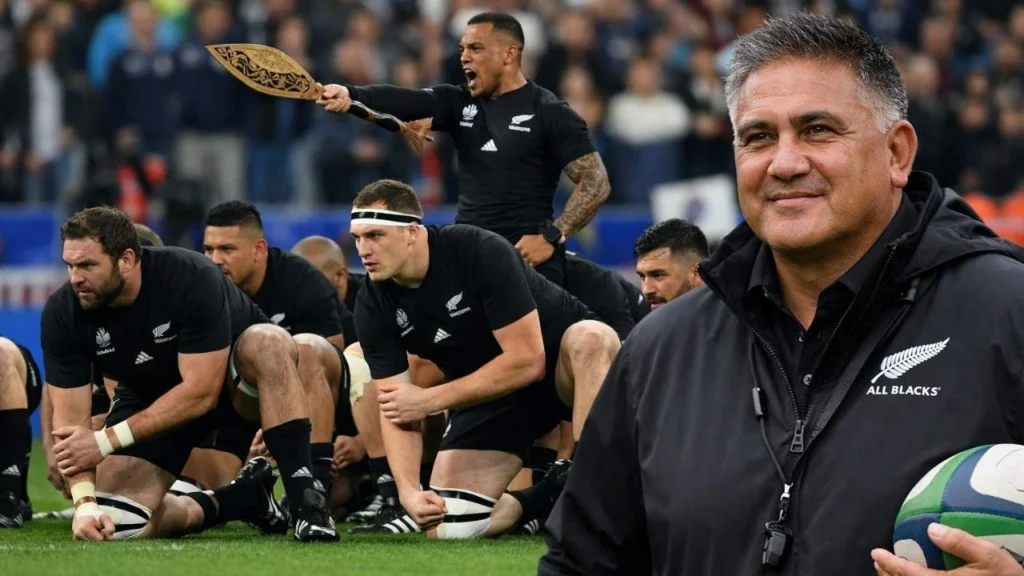
The return of Jamie Joseph to New Zealand rugby marks a significant and strategic moment for the sport. Appointed as head coach of All Blacks XV for the 2026–2028 period, Joseph’s comeback is being viewed as both a homecoming and a calculated move to strengthen New Zealand’s elite rugby depth. With international rugby becoming increasingly competitive, New Zealand Rugby’s decision to bring back one of its most respected coaches signals intent, continuity, and a renewed focus on long-term excellence.
A Homecoming That Makes Sense
Jamie Joseph is no stranger to New Zealand rugby fans. A former All Blacks winger turned elite coach, Joseph has built a reputation for disciplined structures, intelligent game management, and an exceptional ability to develop players. His return to New Zealand comes after a successful coaching stint overseas, where he honed his tactical approach and worked with diverse playing styles. Now, those global experiences return with him, set to benefit the All Blacks XV setup over the next two years.
For many observers, this move feels less like a gamble and more like a natural progression — a proven leader stepping back into a system he understands deeply.
Why All Blacks XV Matters More Than Ever
The All Blacks XV is not just a secondary team; it is a critical bridge between Super Rugby and the full All Blacks squad. It serves multiple purposes:
- Developing future international stars
- Testing emerging combinations
- Maintaining depth during international windows
- Preparing players for the intensity and culture of top-tier rugby
Under Jamie Joseph, this pathway role is expected to become even more refined. His track record suggests a strong emphasis on player readiness — not just skills, but mindset, discipline, and adaptability.
Jamie Joseph’s Coaching Philosophy
One of the main reasons New Zealand Rugby trusts Joseph is his clear and consistent coaching philosophy.
Key Principles He Is Known For:
- Defensive structure first: Strong systems without limiting attacking freedom
- Decision-making under pressure: Players encouraged to read the game, not just follow patterns
- Cultural alignment: Respect for team values and jersey responsibility
- Player development focus: Long-term growth over short-term wins
These principles align perfectly with the goals of the All Blacks XV, where results matter — but preparation for higher honors matters more.
Lessons From His International Experience
Jamie Joseph’s time coaching abroad exposed him to different rugby cultures, playing tempos, and tactical priorities. That experience has sharpened his adaptability and broadened his coaching lens.
Bringing that perspective back to New Zealand could:
- Introduce subtle tactical variations
- Improve adaptability against northern hemisphere teams
- Help young players understand global rugby demands earlier
In modern international rugby, versatility is no longer optional — and Joseph’s background supports that evolution.
Strengthening the All Blacks Pipeline (2026–2028)
The 2026–2028 period is a crucial phase in world rugby. It sits between major international cycles and provides an opportunity to build depth ahead of future global tournaments.
Joseph’s role will be vital in:
- Identifying consistent performers
- Preparing fringe players for test rugby intensity
- Building combinations that can step up seamlessly
Rather than viewing the All Blacks XV as a temporary holding space, Joseph is expected to treat it as a high-performance environment that mirrors the senior All Blacks setup.
Player Development: The Core Focus
Jamie Joseph’s reputation as a player-first coach cannot be overstated. Former players often highlight his clarity, honesty, and ability to simplify complex systems.
Under his leadership, players are likely to benefit from:
- Clear role definitions
- Constructive feedback loops
- Game-time opportunities against strong opposition
- Mental preparation for international pressure
This approach ensures that when players graduate to the All Blacks, they arrive prepared — not overwhelmed.
Tactical Expectations Under Joseph
While the All Blacks XV will continue to reflect New Zealand’s traditional attacking flair, Joseph’s influence may subtly reshape the team’s identity.
Expected tactical trends include:
- More structured defensive lines
- Improved breakdown efficiency
- Smarter kicking strategies
- Better game control in tight matches
These elements are increasingly crucial in international rugby, where fine margins often decide outcomes.
Leadership and Cultural Impact
Beyond tactics, Jamie Joseph brings cultural authority. As a former All Black and seasoned international coach, his voice carries weight within the system.
For young players, working under Joseph is not just about rugby skills — it is about understanding:
- What it means to represent New Zealand
- The standards expected at the highest level
- The responsibility that comes with wearing the jersey
This cultural grounding is essential for sustaining long-term success.
Reaction From the Rugby Community
The response to Joseph’s appointment has been largely positive. Analysts, former players, and fans see the move as:
- A stabilizing influence
- A smart use of experience
- A commitment to development over experimentation
While expectations will naturally be high, there is also patience — an understanding that the All Blacks XV’s success is measured by how many players successfully transition upward.
Challenges Ahead
Despite the optimism, Joseph’s task will not be without challenges:
- Balancing results with development goals
- Managing player rotation
- Aligning with Super Rugby schedules
- Preparing players for varied international opposition
However, his past success suggests he is well-equipped to handle these demands.
What This Means for New Zealand Rugby
At a broader level, Jamie Joseph’s return reinforces New Zealand Rugby’s belief in experience, continuity, and system-based growth. Instead of chasing short-term fixes, the focus remains on building a sustainable pipeline of elite talent.
The All Blacks XV, under Joseph, becomes a cornerstone of that strategy — not a side project, but a vital piece of the national rugby puzzle.
Looking Ahead to 2028
By the end of his tenure in 2028, success will likely be measured by:
- Number of players promoted to the All Blacks
- Tactical readiness of emerging talent
- Consistency in performance against strong opposition
- Cultural alignment across national teams
If these benchmarks are met, Jamie Joseph’s return will be remembered as a defining chapter in modern New Zealand rugby development.
Final Thoughts
Jamie Joseph’s return as All Blacks XV coach from 2026 to 2028 feels both timely and necessary. In an era where international rugby is evolving rapidly, New Zealand has chosen stability, intelligence, and proven leadership. Rather than reinventing the wheel, New Zealand Rugby has entrusted a familiar and respected figure to shape the next generation. If Joseph can translate his experience into consistent development and strong performances, the benefits will extend far beyond the All Blacks XV — strengthening the entire national setup. In many ways, this appointment is not just about the next two years. It is about ensuring that New Zealand rugby remains competitive, adaptable, and proudly rooted in its traditions — while preparing for the future with confidence.