The world is changing faster than ever before. Political systems are evolving, technology is reshaping societies, economies are being redefined, and global challenges are forcing nations to rethink how they operate. From artificial intelligence to climate change, from shifting power dynamics to cultural transformations, humanity is standing at a critical crossroads. Understanding these global transitions is no longer optional—it is essential for informed citizenship and future preparedness.
This article explores the major global changes shaping today’s world and explains why they matter to individuals, nations, and the global community as a whole.
A Shifting Global Power Balance
For decades, global leadership was dominated by a handful of powerful nations. Today, that balance is shifting. Emerging economies such as China, India, Brazil, and parts of Africa are gaining influence in global decision-making, trade, and diplomacy.
The rise of multipolar power structures means that no single country controls the global narrative. Instead, international relations are becoming more complex, with regional alliances, economic partnerships, and strategic rivalries shaping world politics. This shift affects global trade routes, defense policies, and even cultural influence. As power becomes more distributed, cooperation becomes more important—but also more challenging.
Technology Transforming Every Aspect of Life
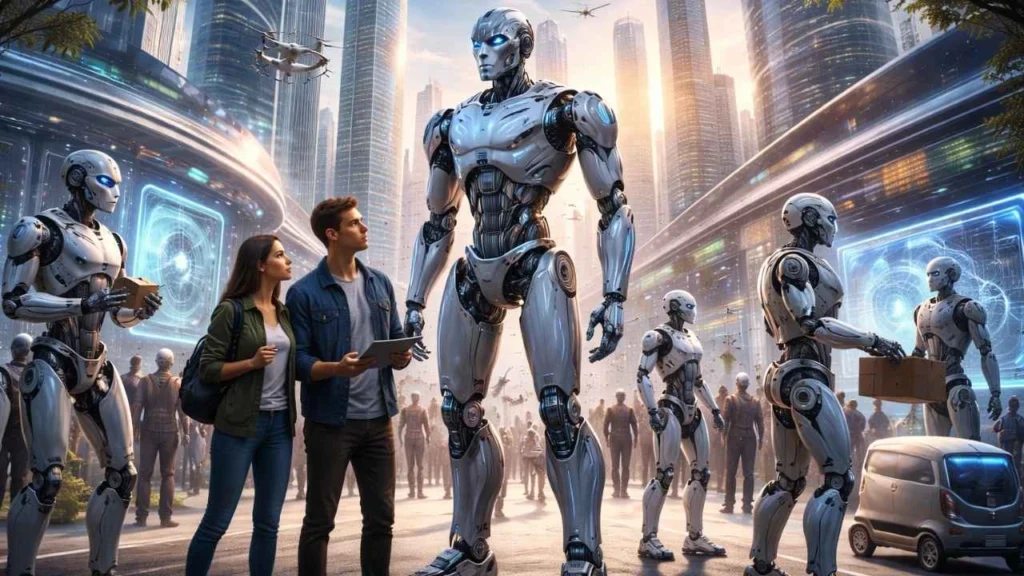
Technological advancement is one of the most powerful drivers of global change. Artificial intelligence, automation, blockchain, and data analytics are transforming industries, governance, and daily life.
AI is no longer limited to research labs. It now influences healthcare, education, transportation, finance, and even creative fields. While these innovations bring efficiency and growth, they also raise concerns about job displacement, data privacy, and ethical boundaries. Digital transformation is also changing how governments function, how businesses operate, and how citizens communicate. Nations that fail to adapt risk falling behind in economic and social development.
Climate Change and Environmental Awakening
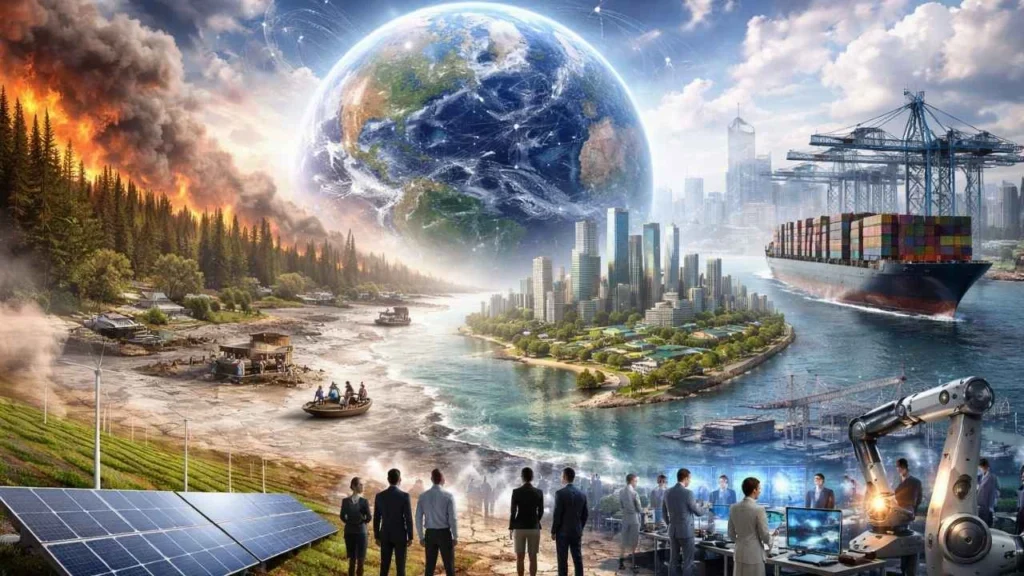
Climate change is no longer a distant threat—it is a present reality. Rising global temperatures, extreme weather events, melting glaciers, and biodiversity loss are impacting millions of lives worldwide.
In response, governments and corporations are investing in renewable energy, sustainable infrastructure, and green technologies. Environmental awareness has grown significantly, especially among younger generations who are demanding accountability and action. The global transition toward sustainability is reshaping industries such as energy, transportation, agriculture, and manufacturing. While the road ahead is difficult, the shift represents a necessary transformation for long-term survival.
Economic Transformation and Uncertainty
The global economy is undergoing major changes. Traditional economic models are being challenged by digital currencies, remote work, gig economies, and global supply chain restructuring.
Inflation, economic slowdowns, and financial instability in some regions have highlighted the fragility of interconnected economies. At the same time, innovation-driven economies are creating new opportunities through startups, digital platforms, and global entrepreneurship. The future economy will likely be more digital, decentralized, and innovation-focused—but it will also require stronger policies to reduce inequality and ensure inclusive growth.
Social and Cultural Shifts
Societies across the globe are experiencing cultural transitions. Issues such as gender equality, mental health awareness, human rights, and social justice are gaining prominence.
Social media and digital platforms have amplified voices, movements, and ideas, enabling global conversations but also spreading misinformation. This dual nature of connectivity has reshaped how people form opinions and engage with the world. Cultural globalization has increased exposure to diverse perspectives, but it has also sparked debates around identity, tradition, and values. Navigating these changes requires empathy, education, and media literacy.
Education in the Age of Knowledge
Education systems worldwide are evolving to meet the demands of a rapidly changing world. Online learning, digital classrooms, and skill-based education are becoming more common.
There is a growing emphasis on critical thinking, creativity, and adaptability rather than rote memorization. Lifelong learning is becoming essential as careers evolve and new industries emerge. Access to education remains unequal, but technology has the potential to bridge gaps if used responsibly and inclusively.
Global Cooperation vs. Rising Conflicts
While global cooperation is essential to address challenges like pandemics and climate change, geopolitical tensions continue to rise. Conflicts, trade wars, and diplomatic disputes highlight the fragile nature of international relations.
At the same time, international organizations and peace initiatives continue to play a vital role in promoting dialogue and stability. The future depends on whether nations choose collaboration over confrontation.
What the Future Holds
The world is not moving toward a single outcome but toward multiple possible futures shaped by collective decisions. Innovation, awareness, and responsible leadership will determine whether global transitions lead to progress or division. Individuals also play a role. Staying informed, embracing adaptability, and engaging constructively with global issues can make a meaningful difference.
Final Thoughts
The world in transition presents both challenges and opportunities. While uncertainty defines our era, so does potential. Understanding global changes empowers people to make better decisions, contribute positively to society, and prepare for the future. In a time when information is abundant but understanding is rare, platforms like Newsforknowledge play a crucial role in bridging the gap between news and knowledge. Staying aware is no longer just about knowing what’s happening—it’s about understanding why it matters.